 Tiếng Việt
 Tiếng Anh

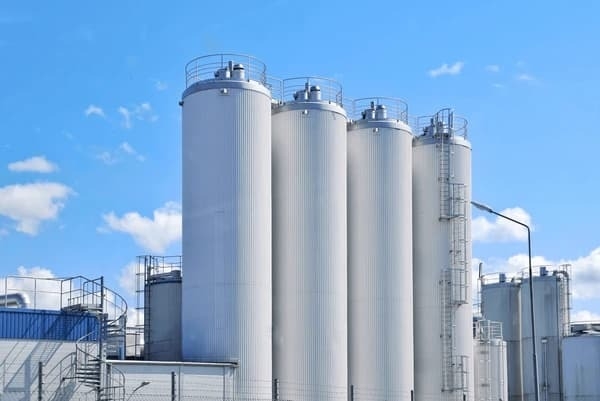
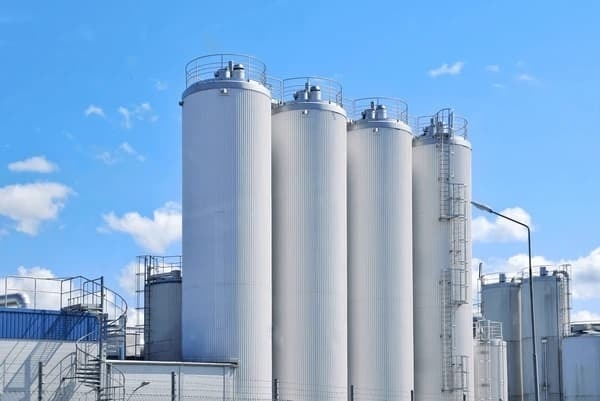
FABRICATION AND INSTALLATION OF INDUSTRIAL PETROLEUM STORAGE TANKS
Design and fabrication services for high-capacity petroleum and chemical storage tanks strictly complying with API 650 standards. Utilizing high-tech welding techniques and rigorous Non-Destructive Testing (NDT), the system ensures absolute tightness and maximum fire and explosion safety.
Manufacturing Petroleum Storage Tanks to International Safety Standards
In petrochemical plants or transit depots, petroleum storage tanks are an exceptionally high-risk storage category. Even a minor deviation during fabrication can lead to severe safety consequences. Newtech provides turnkey tank fabrication and installation services, committing to eliminating all operational risks through rigorous technical control procedures.
Design Standards and Material Selection
-
Stringent Design Benchmarks: All of Newtech’s tank manufacturing technical drawings are established based on the API 650 standard (American Petroleum Institute) for welded steel tanks operating at low pressure, alongside TCVN standards for fire safety.
-
High-Strength Steel Materials: We exclusively utilize specialized carbon steel or stainless steel plates (depending on the fluid medium), complete with full traceability and Mill Test Certificates (MTC) to guarantee stress tolerance and chemical corrosion resistance.
Fabrication Techniques and Welding Procedures (WPS)
The structural durability of a storage tank depends 90% on the quality of its welds. Newtech applies advanced welding methods (FCAW, SAW, GTAW) executed by highly skilled welders holding international 6G certifications. The Welding Procedure Specification (WPS) is meticulously calculated regarding current, voltage, and interpass temperatures to ensure flawless weld penetration.
Non-Destructive Testing (NDT) Quality Control
Prior to hydrostatic testing, 100% of critical butt welds must pass severe NDT inspections:
-
Radiographic Testing (RT) and Ultrasonic Testing (UT) to screen for internal cracks and volumetric flaws.
-
Penetrant Testing (PT) and Magnetic Particle Testing (MT) to evaluate the absolute integrity of the material's surface.
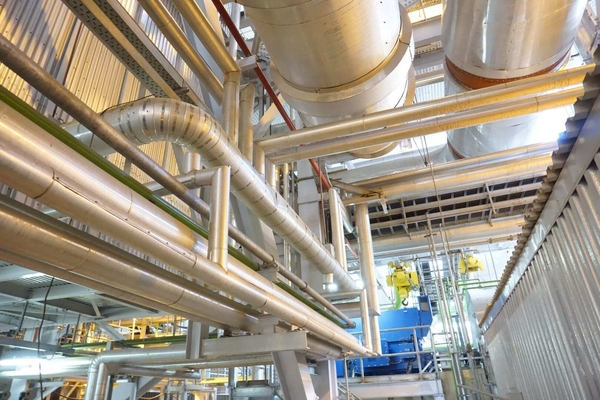
CONSTRUCTION OF PROCESS PIPING SYSTEMS AND PUMPING STATIONS
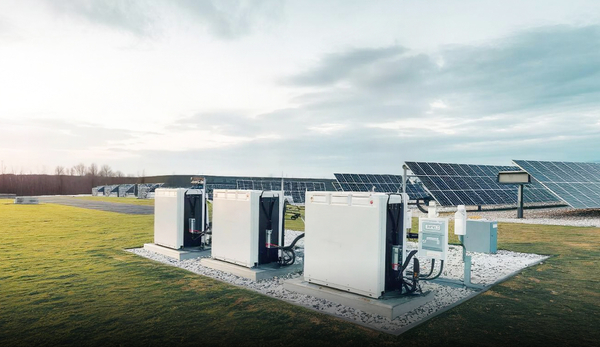
INDUSTRIAL HYBRID SOLAR & BATTERY ENERGY STORAGE SYSTEM (BESS)
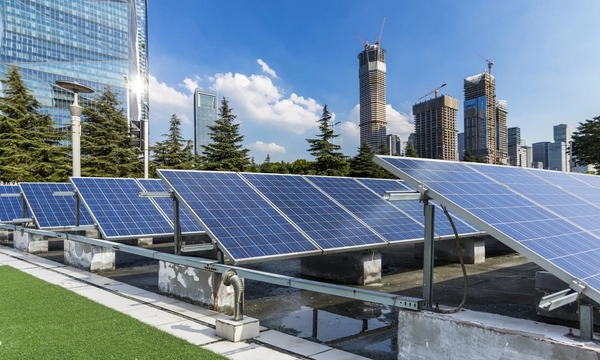
GRID-TIED ROOFTOP SOLAR POWER SYSTEM FOR FACTORIES
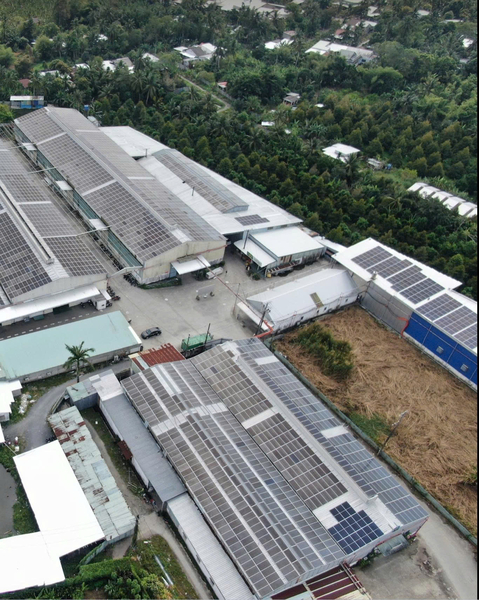
1040.8kWp Rooftop Solar Power System for a Factory Building
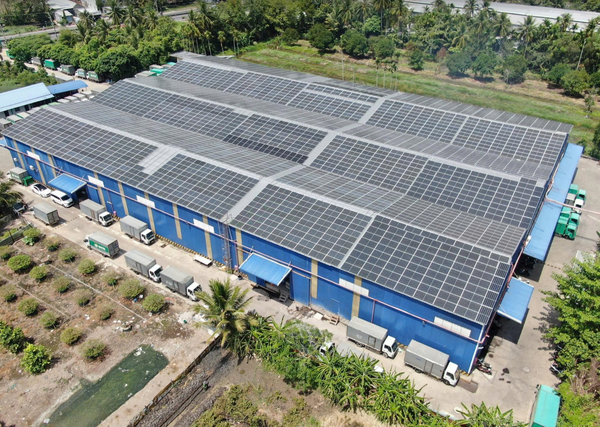
996kWp Rooftop Solar Power System for a Fertilizer Factory
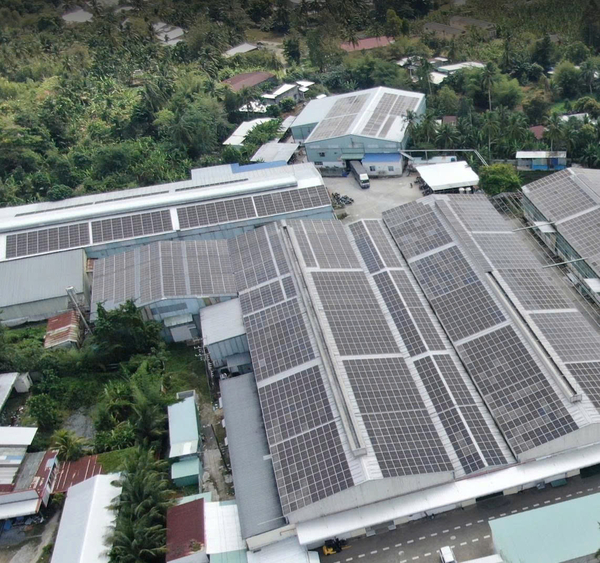
1049.2kWp Rooftop Solar Power System for Factory Building
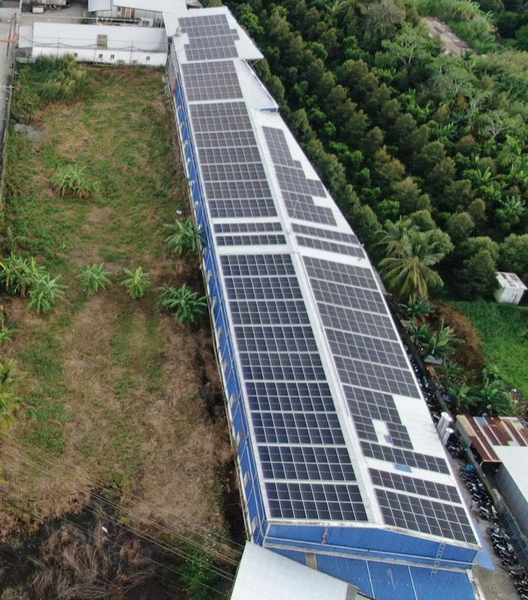
330kWp Rooftop Solar Power System for Factory Building